
[ad_1]
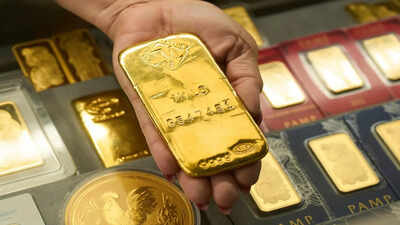
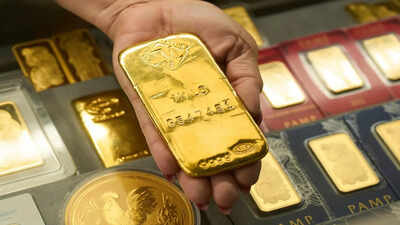
NEW DELHI: Gold demand in India has slipped by nearly 70 per cent after the government doubled import duty on the precious metal earlier this month.The higher fuel and food prices linked to the ongoing Iran conflict had further dragged down the consumer sentiment.Industry estimates showed gold demand fell to around 7.5 tonnes in the fortnight ending May 27, compared with nearly 25 tonnes during the same period last year. The sharp slowdown came after the government raised the import duty on gold from 6 per cent to 15 per cent with effect from May 13, according to ET. According to the India Bullion & Jewellers Association (IBJA), jewellers across the country have reported a steep decline in purchases following the duty increase.“Reports trickling in from jewellers across India show that there has been a 70 per cent drop in demand after the import duty was hiked,” said Surendra Mehta, National Secretary of IBJA.He said the unorganised sector, which accounts for nearly 65 per cent of India’s gold trade has been among the worst affected by the higher duty.The effective tax burden on gold, including Goods and Services Tax (GST), has increased to 18.45 per cent from 9.18 per cent following the duty revision. The government introduced the measure amid a weakening rupee, elevated crude oil prices and geopolitical tensions while also tightening certain import rules.Industry executives said the duty hike has coincided with rising petrol, diesel and food prices, reducing consumers’ willingness to spend on discretionary purchases such as gold.“It is not only the high import duty that has dented demand,” said Joy Alukkas, Chairman of jewellery retailer Joyalukkas. He added that Prime Minister Narendra Modi’s appeal for people to avoid buying gold for a year had also affected sentiment.At Joyalukkas stores, demand has fallen by more than 35 per cent, according to the company.Mehta said gold is currently not a spending priority for many households. He also pointed to the ongoing Adhik Maas period, during which many Hindus traditionally avoid purchasing precious items.“What is more surprising is that even investment demand for gold has slowed down,” he said.
Shift towards lighter jewellery
With gold prices remaining elevated, many consumers are opting for lighter and lower-carat jewellery rather than making large purchases.On Friday, gold of 999 purity was trading at around Rs 1.57 lakh per 10 grams in Mumbai’s spot market, excluding GST.Jewellers said demand has weakened particularly in southern India, one of the country’s largest gold-consuming regions.“Consumers are not stretching their budgets,” said B Govindan, Chairman of Bhima Jewellery. “They are buying whatever fits their budget and therefore choosing lightweight and lower-carat jewellery.”At the same time, retailers have reported a surge in customers selling old jewellery for cash.“There is a huge rush among consumers to sell old gold and take cash back home,” Govindan added.
Retailers face uneven impact
Industry experts said the impact of the duty increase has varied across different segments of the jewellery market.Kavita Chacko, research head at the World Gold Council (WGC), said large retail chains initially experienced some panic buying immediately after the announcement as consumers rushed to make purchases before prices adjusted.However, she said many retailers are now preparing for slower sales growth in the coming months.“Large chain stores remain relatively resilient due to inventory buffers and continued support from bridal demand,” Chacko said.Mid-sized and regional jewellers are expected to rely increasingly on gold exchange programmes and tighter inventory management, while smaller retailers appear the most vulnerable because of already weak demand and shrinking profit margins.The slowdown comes after a strong start to the year for investment demand. India’s demand for gold bars and coins rose 34 per cent year-on-year to 62.3 tonnes during the March quarter.India remains one of the world’s largest gold consumers, with annual demand typically ranging between 800 and 850 tonnes.Industry observers now warn that the combination of higher import duties, elevated prices and weaker consumer spending could weigh on gold demand through the second quarter of 2026, unless market conditions improve.
[ad_2]
Source link