
[ad_1]
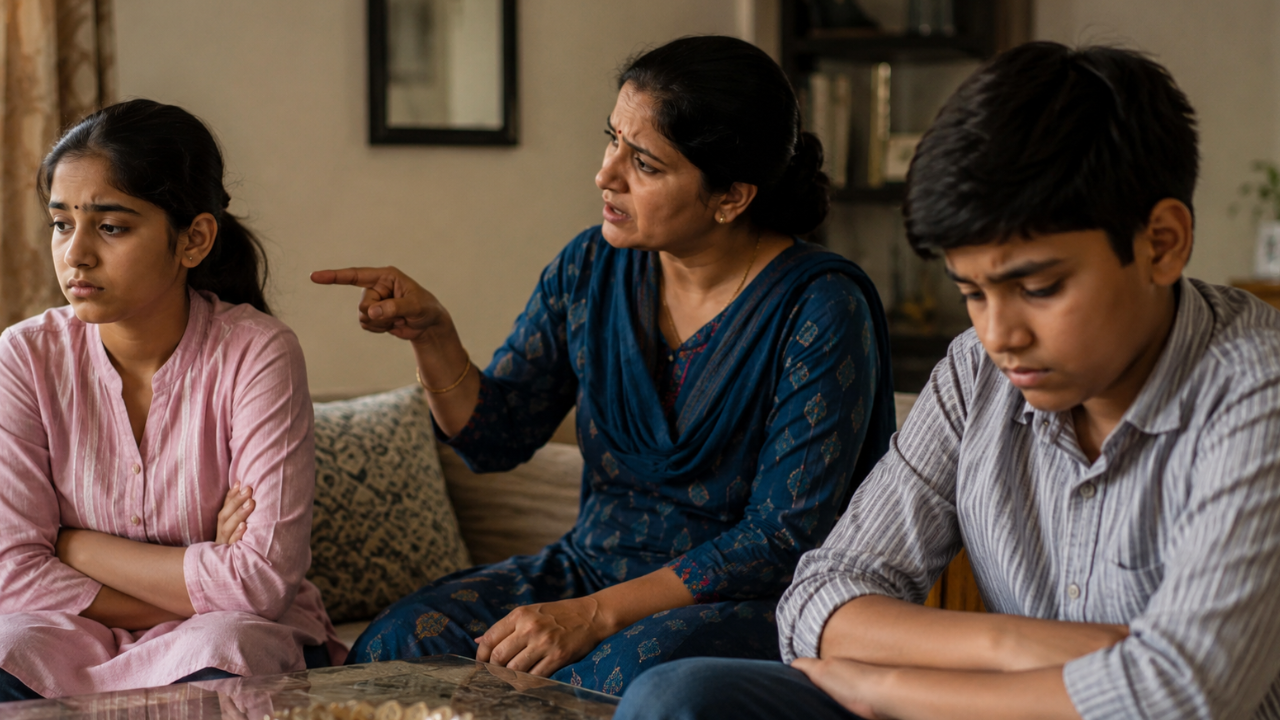
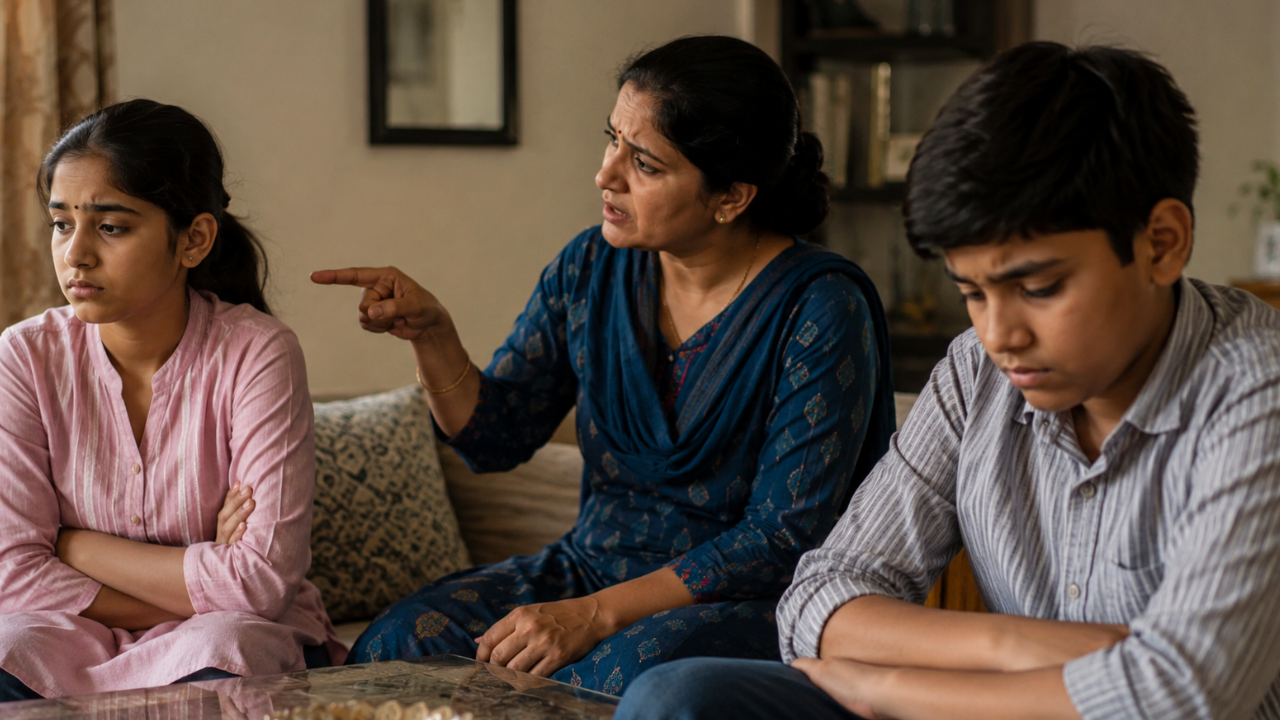
Comparison also changes the child’s relationship with the parent. Instead of feeling understood as an individual, the child feels evaluated. Every achievement becomes part of a family scoreboard. Every mistake becomes evidence in an invisible case against them.
Over time, this can make children hide parts of themselves. They may stop sharing honest feelings, stop talking about failures and stop trusting that their parents are safe people to come to. The home becomes less of a refuge and more of a place where performance is constantly being watched.
That emotional distance can last into adulthood. Many adults who were raised with sibling comparison still struggle to accept praise, trust their worth or speak to themselves kindly.
It teaches the wrong lesson about love
At its core, sibling comparison sends a distorted message: that people must earn belonging by being better than someone else. That is not a lesson children should carry into life. It breeds insecurity, not character. It teaches hierarchy, not self-respect.
Healthy parenting is supposed to help children develop their own strengths, not compete for a spot in the family’s emotional hierarchy. One child may be artistic, another practical, another sensitive, another outspoken. Those differences do not need to be ranked. They need to be understood.
[ad_2]
Source link