India plans to send oil
India Prepares Strategic Oil Passage Through Hormuz as Iran Conflict Deepens Global Energy Anxiety
With Gulf shipping routes under pressure and crude markets on edge, New Delhi moves cautiously to secure the nation’s energy lifeline amid rising geopolitical uncertainty.
India plans to send oil
The world’s most sensitive oil corridor is once again at the centre of a geopolitical storm — and India is preparing for what could become one of its most delicate energy operations in recent years.
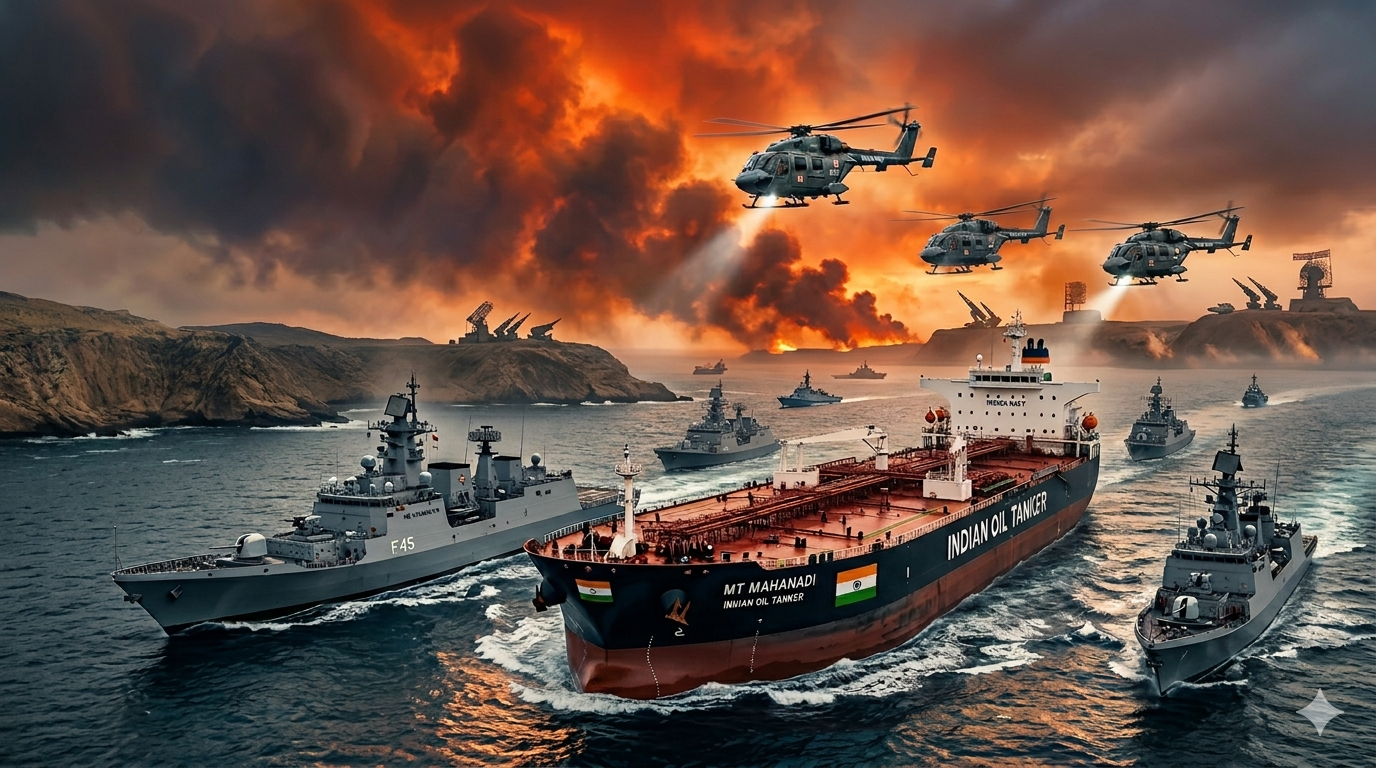
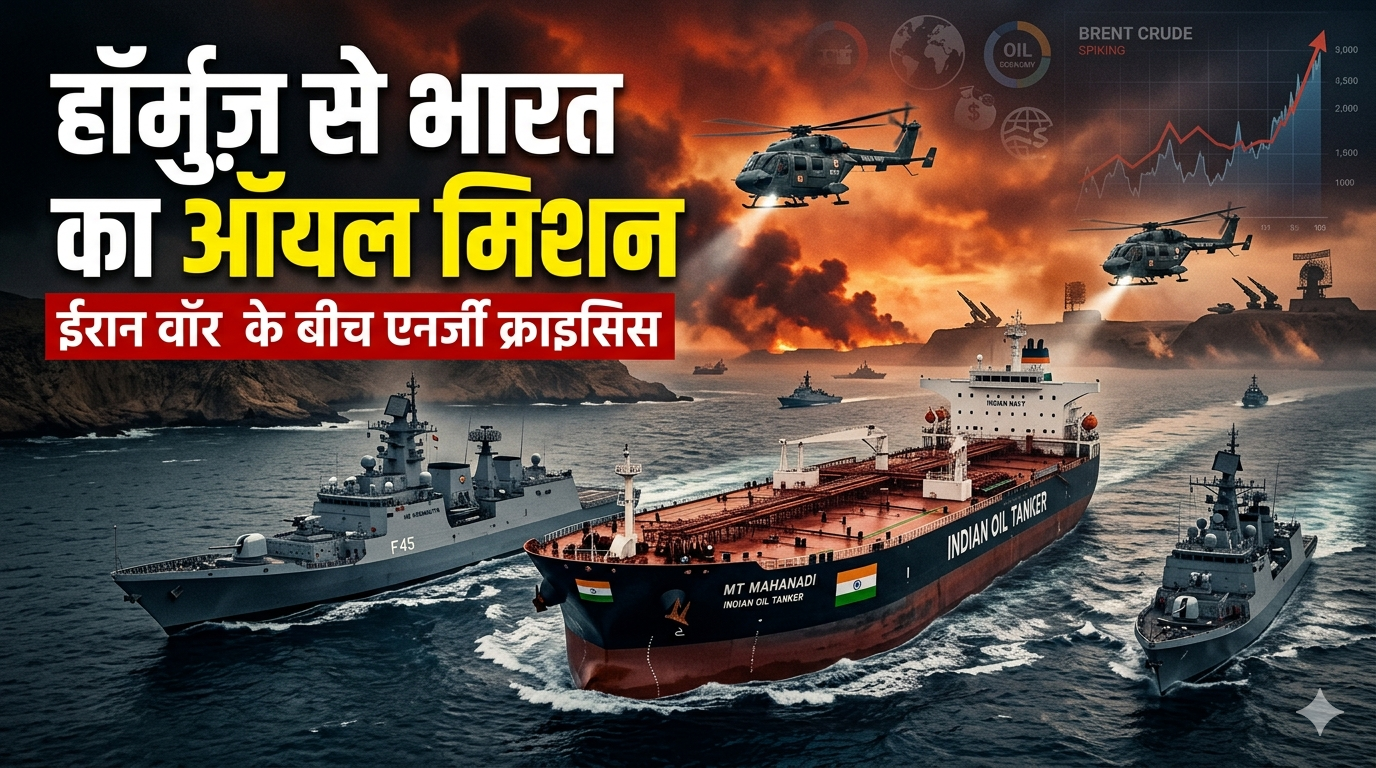
As tensions linked to the ongoing Iran conflict continue to disrupt maritime trade across West Asia, India is reportedly preparing to send ships through the Strait of Hormuz, the narrow but critically important waterway through which nearly a fifth of the world’s oil supply moves every day. The move reflects not
only the scale of the global energy crisis unfolding quietly behind diplomatic headlines, but also the growing urgency in New Delhi to protect the country’s energy security at a time of mounting international instability.India plans to send oil
According to a Bloomberg report citing officials familiar with the matter, plans for the passage have already been finalised. Indian vessels are expected to begin navigating the route once final government approval is granted. While the timeline and cargo volumes remain undisclosed, the implications are
significant: India, one of the world’s largest energy consumers, is preparing to re-enter one of the world’s most volatile maritime zones in order to keep its economy running.India plans to send oil
The Strait of Hormuz has long been viewed as a strategic pressure point in global politics. Stretching between Iran and Oman, the narrow channel connects Gulf oil producers to international markets. But since the outbreak of hostilities involving Iran earlier this year, commercial shipping through the region
has slowed sharply. Insurance premiums have surged, shipping companies have hesitated, and global crude prices have reacted with familiar volatility.
For India, the stakes are especially high.
India plans to send oil
Despite diversifying its energy imports in recent years — including significantly increasing crude purchases from Russia after Western sanctions on Moscow — India still relies heavily on Gulf nations for its oil and gas needs. Nearly 90 per cent of the country’s crude oil demand is met through imports, making any disruption in West Asian supply routes a direct concern for policymakers, businesses, and ordinary consumers alike.
The situation has also triggered visible movement within India’s maritime and defence infrastructure.
State-owned Shipping Corporation of India is reportedly prepared to resume operations in the Persian Gulf, pending clearance from the Indian Navy and commercial approvals from domestic refiners. At the
same time, India has quietly strengthened its military posture in nearby waters. Reports indicate that the Indian Navy has doubled its deployment of warships in the region while expanding aerial surveillance to closely monitor developments around Hormuz.India plans to send oil
Indian naval vessels are also escorting Indian-flagged merchant ships once they emerge safely from the strait — a sign of how seriously New Delhi is treating the risks associated with commercial transit in the conflict-hit zone.
Yet uncertainty continues to cloud the situation.
While Iranian officials have publicly assured “friendly countries” such as India of safe commercial passage, questions remain over the broader military realities in the region, particularly given the overlapping restrictions and naval pressure linked to both Iran and the United States.
The issue was reportedly discussed during External Affairs Minister S. Jaishankar’s recent meeting with Iranian Foreign Minister Abbas Araghchi in New Delhi on the sidelines of the BRICS summit. Maritime trade security and energy stability formed a key part of the conversation, underlining how deeply intertwined diplomacy and economics have become in the current crisis.
In comments aimed at calming international concerns, Araghchi stated that Iran remained committed to ensuring commercial safety in Hormuz and described the country as a “reliable partner” for friendly nations dependent on Gulf trade routes. He also acknowledged that several Indian vessels had already been allowed safe passage.
Still, for energy markets, reassurance alone has not erased anxiety.India plans to send oil
Oil traders, shipping firms, and governments across Asia continue to watch the region closely, aware that even temporary disruption in Hormuz can trigger cascading effects across global fuel prices, inflation, and supply chains. In India, where fuel costs influence everything from transportation to food prices, prolonged instability could have broader economic and political consequences.
The government appears aware of the public sensitivity surrounding the issue. Reports suggest New Delhi has introduced special marine insurance support for Indian shipping companies operating in high-risk waters, aiming to ensure uninterrupted coverage despite escalating regional tensions.
Meanwhile, Prime Minister Narendra Modi has already begun signalling the need for conservation and economic caution. In recent remarks, he urged citizens to reduce fuel consumption, use public transport where possible, and avoid unnecessary foreign exchange expenditure — including lavish overseas weddings and excessive gold purchases.
The messaging reflects a larger reality India now faces: energy security is no longer just an economic issue. It is increasingly tied to diplomacy, military preparedness, global alliances, and domestic stability.
As the conflict in West Asia continues to cast uncertainty over global trade routes, India’s planned passage through the Strait of Hormuz may become more than a logistical exercise. It could emerge as a defining test of how the country balances strategic autonomy, economic resilience, and geopolitical caution in an increasingly fractured world.